Getting there
This trip gave me plenty of stories, starting with the journey itself. We took a long flight from Mexico City to Washington, D.C., and from there continued on to London, landing in the middle of a failure in the UK’s air traffic control system that left hundreds of flights cancelled at Heathrow and other airports and disrupted direct routes. We managed to make our way out and continue on to Ireland.
On the road
We didn’t have a set itinerary. The trip unfolded as we went, guided by how we felt along the way. We rented a car, got used to driving with the steering wheel on the right, and hit the road with a soundtrack of ’80s music, mostly rock en español. I’m not sure why, but whenever I see such vast stretches of green, that’s exactly what I want to listen to.
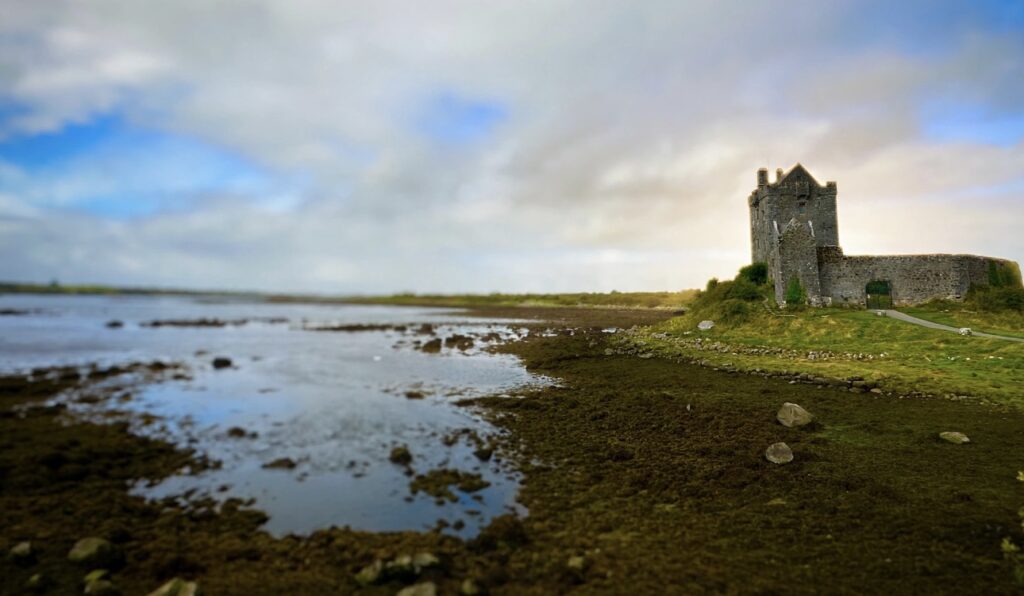
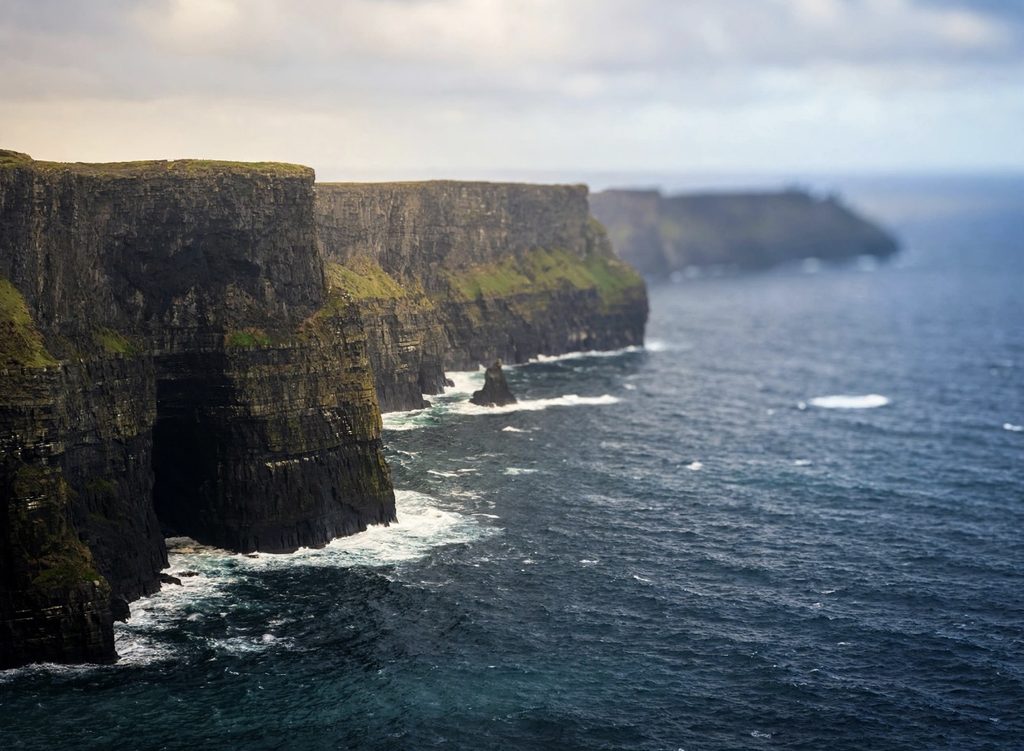
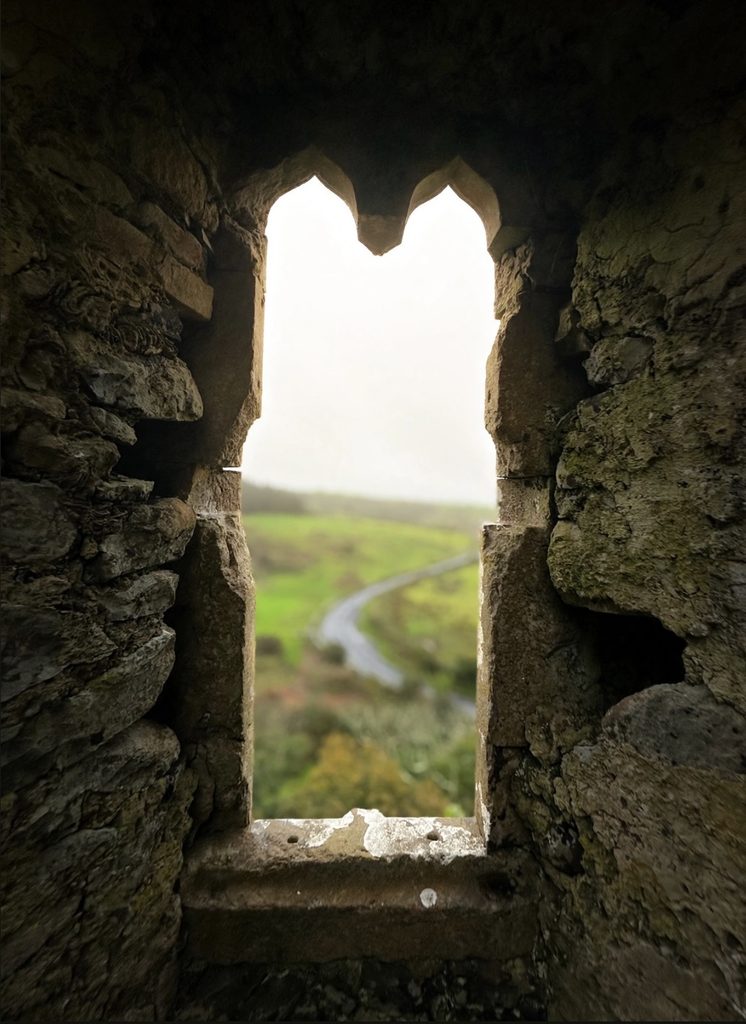
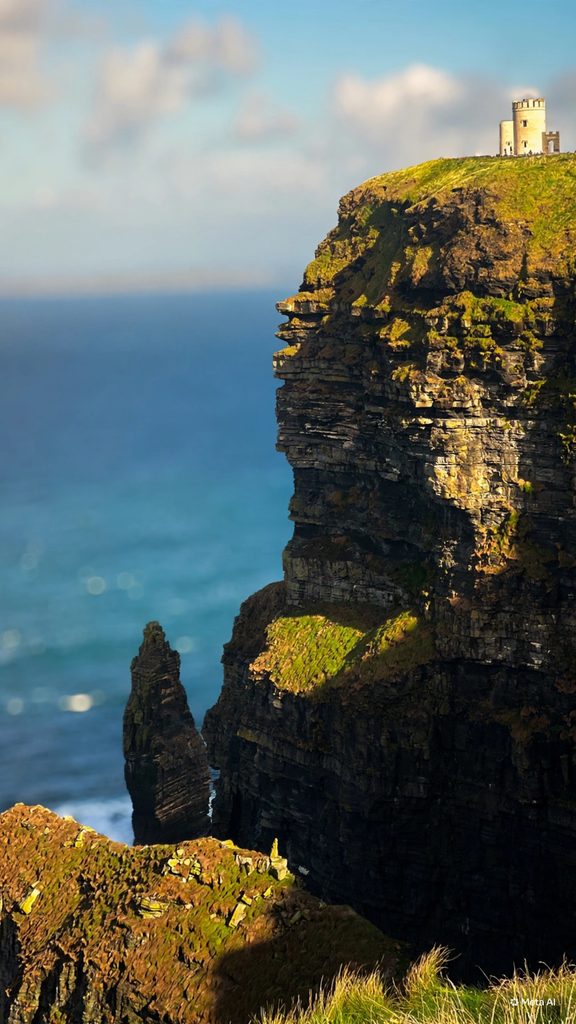
We explored caves and gardens where trees had been torn out by their roots, brought down by the wind and the wet earth. We visited structures made of stones stacked one on top of another so precisely that they have stood for hundreds of years, and monoliths built from incredibly dense rock. We walked the Burren and stood before massive cliffs that somehow reset something inside you. Maybe it’s a release of energy; I can’t quite explain it, but it feels good. We ate in small villages and drove an endless number of narrow, single lane roads.
I never imagined Ireland would be so green or have such a calm energy. Above all, I didn’t expect its people to be so warm and such generous hosts. We saw breathtaking landscapes, and yet what I loved most about Ireland was its people. In a way, it reminded me of the feeling you get when traveling through Latin America: the warmth of the people, the sense of togetherness, the genuine wish to get to know one another.
The pubs
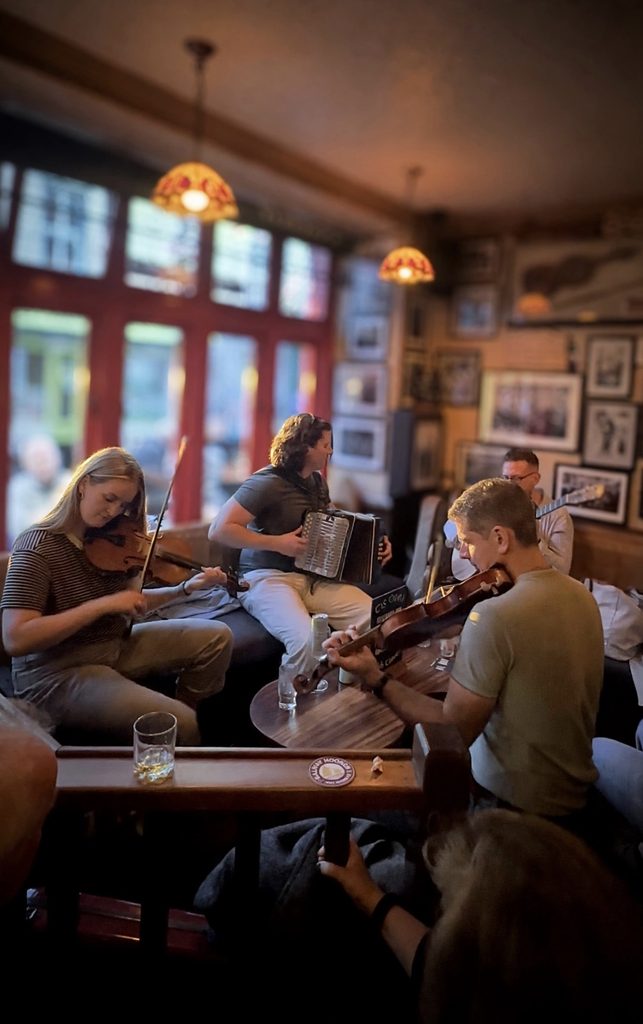
Where we found that warmth most was in the pubs. The food was homemade and really, really good, and we always felt welcome, as if we were at home. Whether by design or not, the pubs seem built for connecting with the people around you. Everyone is friendly, the energy is warm and inviting, the food is outstanding, and the music sets the perfect atmosphere for sharing a table, swapping stories, and enjoying the moment.
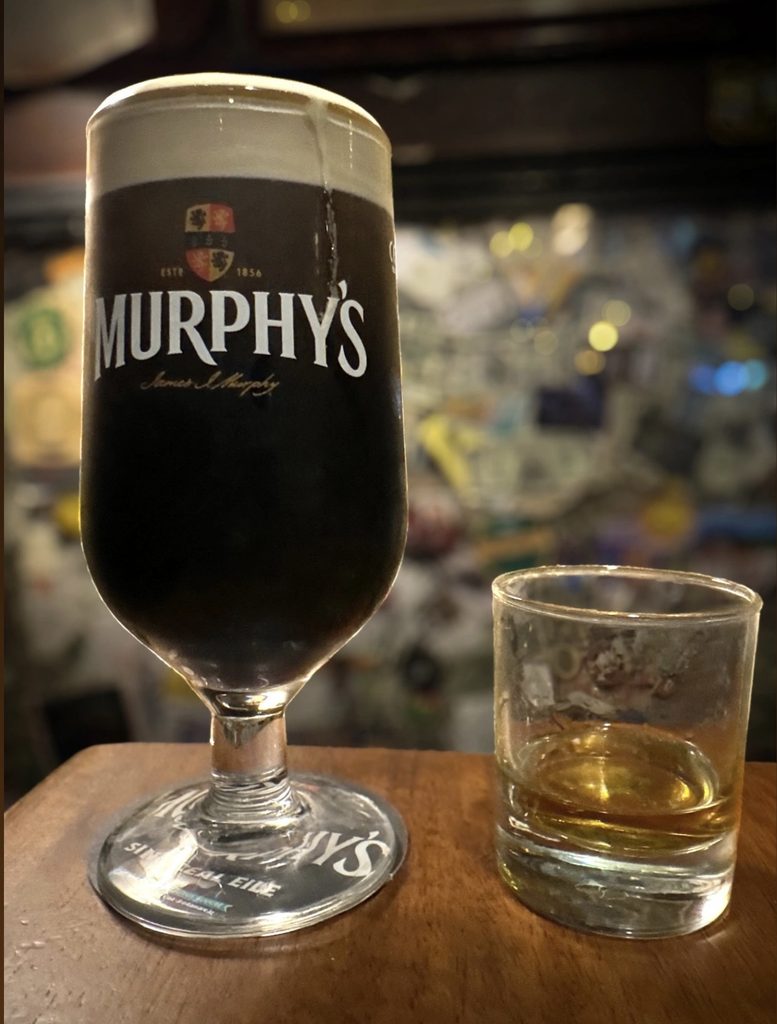
I’m glad I got to experience a place where human connection takes center stage, accompanied by excellent local beer (for me, Murphy’s is the best) and whiskey. There are no giant screens, no luxury furniture, no deafening music. The most you’ll hear is live music and the indistinct murmur of many conversations happening at once. Eyes meeting, smiles, people of all ages. I barely saw anyone glued to a phone, and it was wonderful to see people truly present.
Of all the pubs we visited, my favorite was McGann’s in Doolin. For me, it served the best food of the trip: a delicious, truly homestyle roast beef.
Another that really caught my attention was The Brazen Head in Dublin, a pub with a lot of personality. According to locals, it’s the oldest pub in Ireland. An inn is said to have stood on the site since 1198, although the current building dates from 1754. Its atmosphere reminded me of the underground music scenes in Los Angeles and Mexico City: very organic and very thoughtfully kept. It also has a revolutionary history. In the years leading up to the 1798 Rebellion, leaders of the United Irishmen met there to plan their uprising, and Robert Emmet, who led the failed uprising of 1803, is said to have stayed there as well. It’s a great place to talk, take a break, and enjoy a good beer.
A new perspective on history
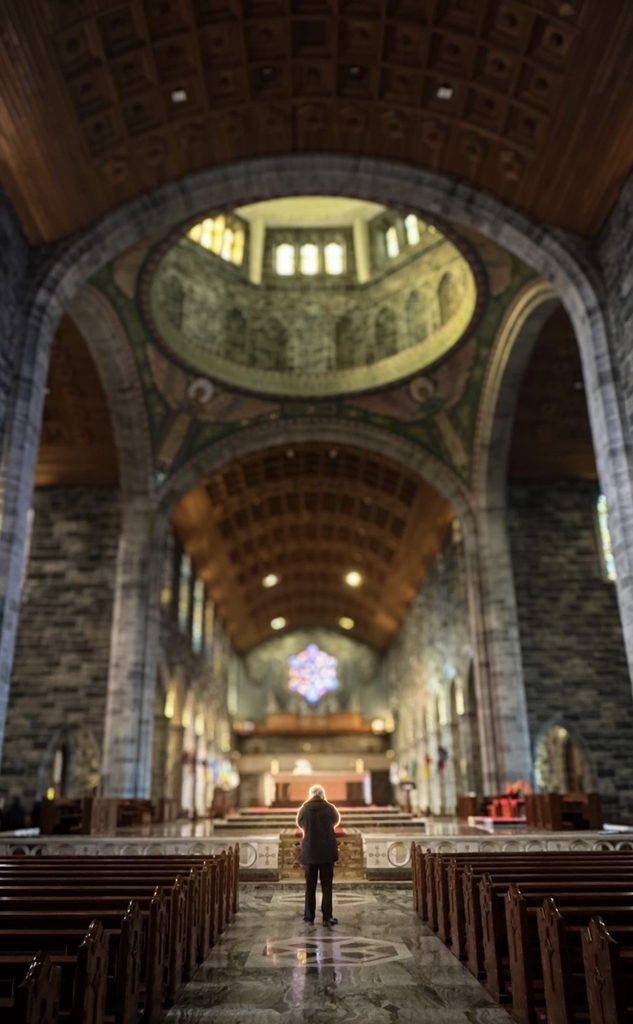
The trip also gave me a different perspective on history. I didn’t know much about the Great Famine, which in the mid 19th century killed around one million Irish people and forced more than a million to emigrate, mainly to the United States, Canada, Britain, and Australia, and also to places like Argentina. Mexico has its own chapter in that story: many of the Irish who fled the famine to the United States were sent to fight in the Mexican American War, and some of them switched sides to defend Mexico as the Saint Patrick’s Battalion, still honored in Mexico today as los San Patricios. I also didn’t know that Ireland was the Titanic’s last port of call: the ship was built in Belfast and made its final stop at Queenstown, now Cobh, before setting out across the Atlantic. Nor did I fully understand the country’s deep religious roots or its long struggle for independence and for preserving its customs, language, and history.
Until next time
I left without seeing Brú na Bóinne, a Neolithic site older than the pyramids of Egypt. Some places you leave unfinished on purpose, as a promise to come back. Ireland, keep the music playing and Murphy’s waiting for me. Sláinte.
JLXZ, for Green Room Magazine
Photography by @Jlxz_v1b3