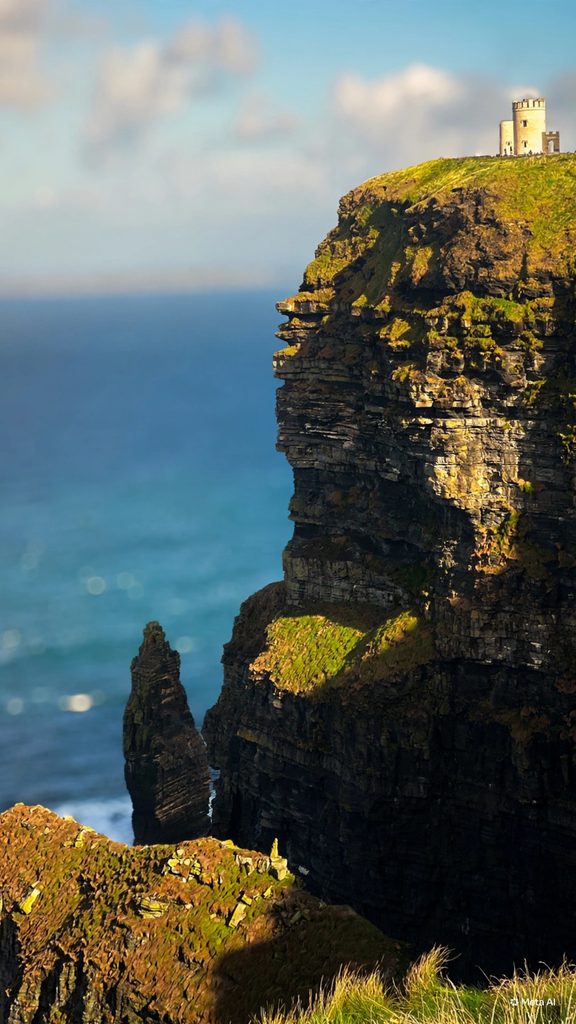
Ireland: The Warmest Place I Have Ever Known

Ireland is best approached without a plan. All it really asks for is a rental car, the nerve to drive on the left with the steering wheel on the right, and a good soundtrack. Ours was rock en español, an odd choice for the Irish countryside until the first fields appear and the green starts pouring past the windshield. Then it makes perfect sense. Some landscapes simply call for ’80s music.
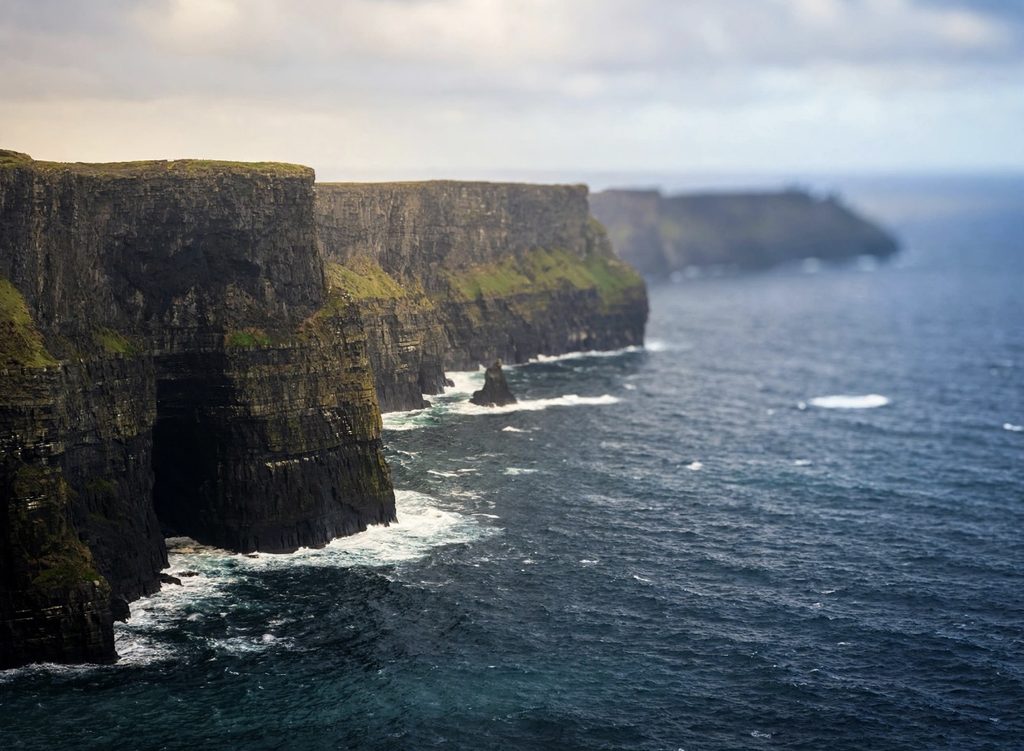
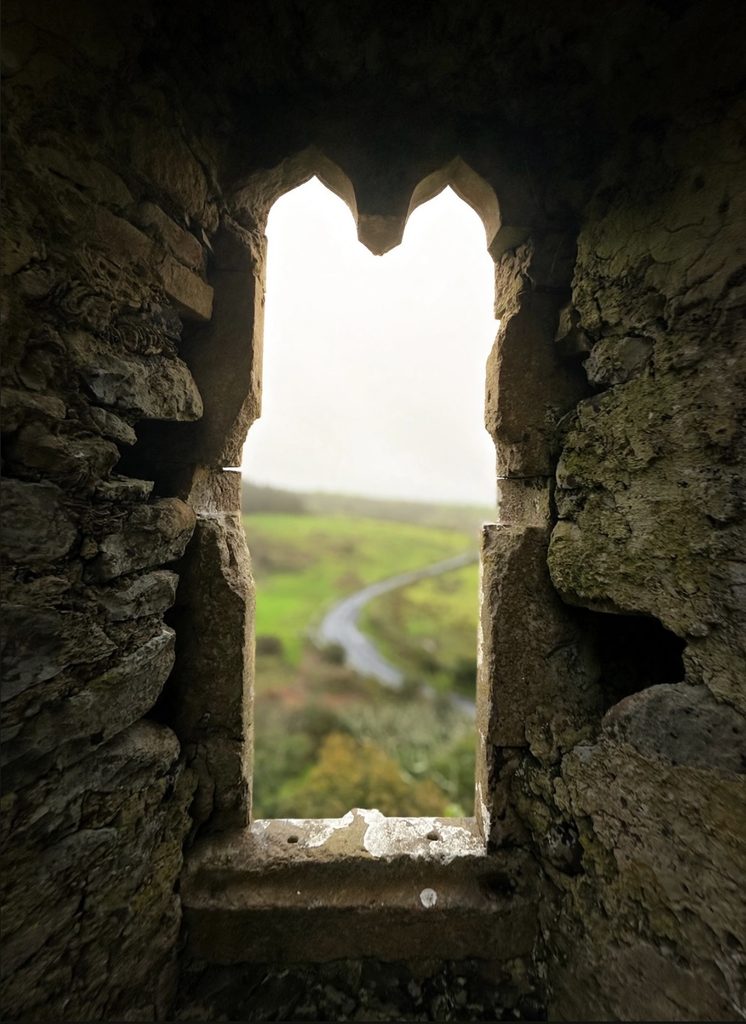
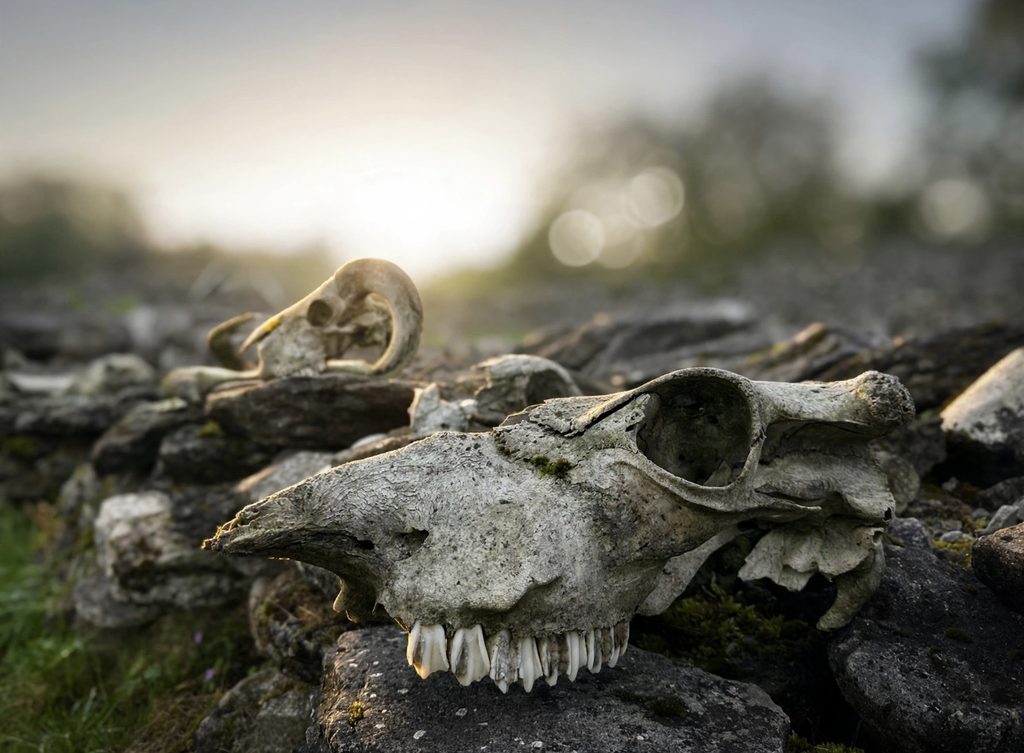
The days took shape on the road, one narrow lane at a time. Caves opened into the cold dark of the earth, and gardens still carried the marks of recent storms, with old trees torn out by the roots where the wind had found the soaked ground. Along the way stood walls and monuments of stacked stone, set so precisely by hands long gone that they have outlasted centuries. Further west, the Burren spread out in bare gray limestone, as strange as another planet, and beyond it the cliffs dropped into the Atlantic. Standing at that edge does something hard to name. It feels like a release, as if the sheer size of the place quietly rearranges what matters.

For all that scenery, the land is only half the story. The other half is the people, and they turned out to be the real surprise of the trip. Warm, curious, generous with their time and their stories, the Irish have a way of making a stranger feel like a regular within minutes. It brought to mind the best of traveling through Latin America: the open door, the extra chair pulled up to the table, the sense that conversation itself is the point.
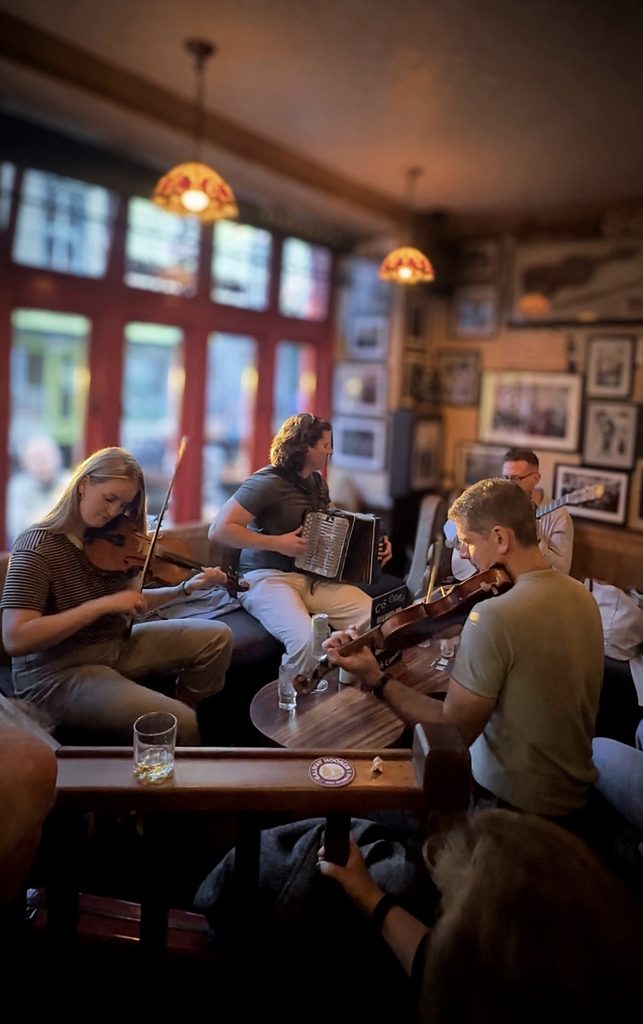
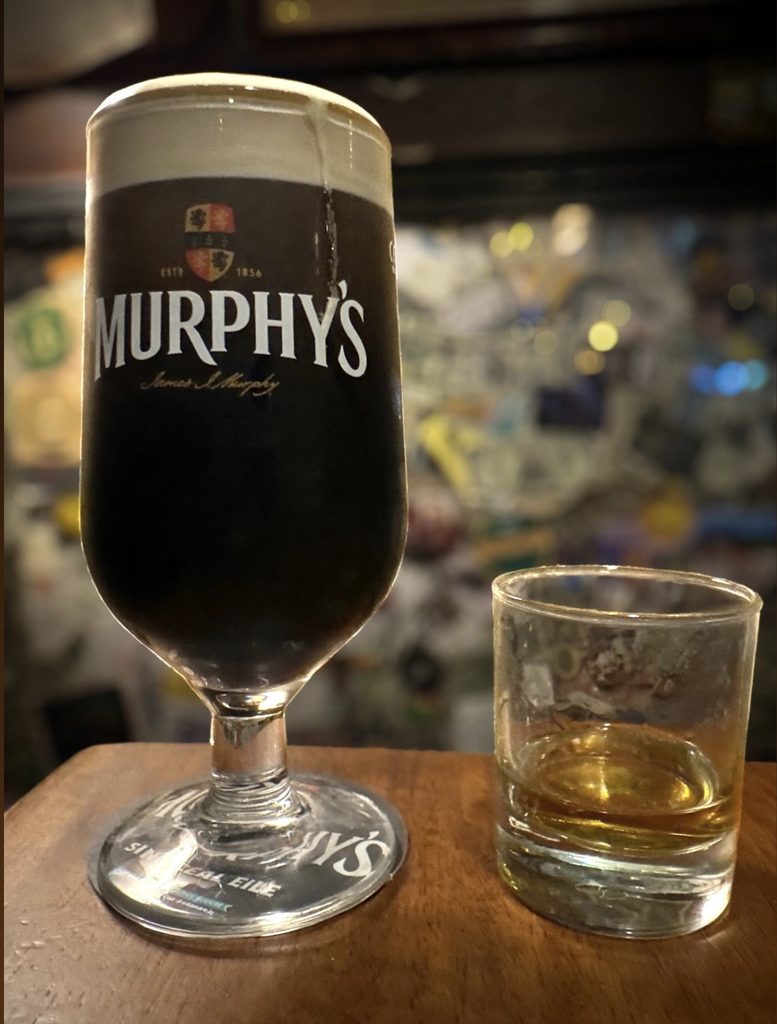
Nowhere is that spirit stronger than in the pub, which is less a bar than a living room shared by an entire town. The food is homemade, the beer is poured with patience, and the soundtrack is live music layered over the murmur of a dozen conversations at once. Grandparents sit beside students, locals beside travelers, and phones stay in pockets because there is simply more going on at the table. My pint of choice was Murphy’s, smooth and dark, usually followed by a whiskey. The best meal of the entire trip came from one of these rooms: a roast beef at McGann’s in Doolin, so honest and so comforting it tasted like Sunday at someone’s grandmother’s house.

Some pubs serve history along with the beer. The Brazen Head in Dublin claims to be the oldest in Ireland, with an inn said to have stood on the site since 1198, although the current building dates from 1754. It has the same organic, carefully kept spirit as the best underground music venues in Los Angeles and Mexico City, and a rebellious past to match. In the years before the 1798 Rebellion, the United Irishmen gathered there to plan their uprising, and Robert Emmet, who led the failed rising of 1803, is said to have stayed under its roof.
That sense of history follows you everywhere in Ireland. The Great Famine of the mid 19th century killed around one million people and pushed more than a million others to emigrate, mostly to the United States, Canada, Britain, and Australia, and some as far as Argentina. It is a story of loss, but also of resilience, and its echoes reach far beyond Irish shores.

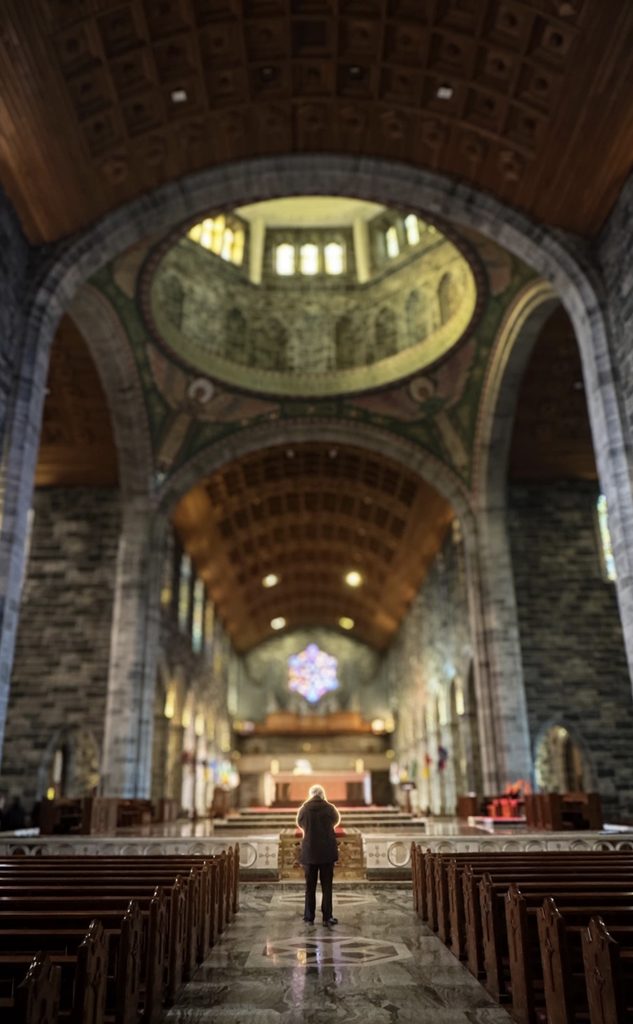
There were other discoveries too. The Titanic was built in Belfast, and its final port of call was Queenstown, now Cobh, before it set out across the Atlantic. Faith runs deep across the island, and so does memory, shaped by a long struggle for independence and for keeping its language, music, and customs alive. You can hear that history in the songs played in every pub, sung by people who clearly know the words by heart.
Brú na Bóinne, a Neolithic site older than the pyramids of Egypt, will have to wait for the next visit. Leaving it unseen feels right, like a promise to return. Until then, Ireland, keep the music playing and a Murphy’s waiting. Sláinte.

JLXZ, for Green Room Magazine
Photography by @Jlxz_v1b3

Californian Kissa: Gold Line Bar Hi-Fi vibes

Gold Line Bar Hi-Fi

I’ve always been drawn to spaces where what’s happening inside mirrors the energy outside, where craft and environment aren’t separate. Walking down Figueroa Street in Highland Park, I came across Gold Line Bar. It doesn’t demand attention, but the moment you step in, it commands it. This is a place built for music not as background, but as a full, immersive experience.

Gold Line’s concept comes directly from Japanese jazz kissa, cafés from the 1950s where listening was a ritual. People came not for conversation, but to immerse themselves in records on sound systems designed for focus and clarity. Every detail from seating to acoustics was intentional, crafted so music could take center stage. That same philosophy treating sound as something to be felt and savored shapes everything at Gold Line.

Founded by Chris Manak, the mind behind Stones Throw Records, Gold Line has always been about more than the room itself; it’s about creating a space where sound dictates the rhythm of the experience. Every night, DJs spin exclusively from the bar’s 7,500-plus vinyl records, each track running through a system that reveals layers, textures, and nuances that digital formats rarely capture.

The audio setup is the heart of the bar. Vintage turntables, McIntosh amplifiers, and Klipschorn speakers work together to produce a sound that doesn’t just fill the room, it resonates. Every note carries weight, warmth, and precision, drawing you into the moment and making every track feel alive.

The space itself is designed to let the sound breathe. Dark wood surfaces, low ambient lighting, and carefully positioned speakers guide the music through the room, creating a balance between performance and presence that is immediate, immersive, and deliberate. Every element of the space works together to make the music not just audible, but tangible.

What makes Gold Line remarkable isn’t just the gear or the records it’s how the environment, the equipment, and the community converge. Music here isn’t background noise; it’s the lens through which the room and everything in it take shape.

For anyone who experiences music as a force to step into rather than a soundtrack to pass by, Gold Line doesn’t just play records it makes you feel them. It offers a rare, intimate connection to sound, one that is both personal and shared, and one that stays with you long after the record stops spinning.

By Enzo | Los Angeles | October 2025

Finding Nigiri at Ichijiku Sushi: Flavor in Highland Park, California

I’ve always been drawn to places that surprise me, where every detail from the ingredients to the atmosphere tells a story. One afternoon, while exploring Highland Park, I came across Ichijiku Sushi tucked along Figueroa Street. The restaurant didn’t demand attention; it invited it quietly, with a sense of confidence that promised authenticity to anyone willing to notice.

Since opening in August 2020, Ichijiku has focused on precision and clarity in its craft, honoring traditional Edomae techniques while maintaining a relaxed, backyard-patio atmosphere. In the kitchen, Takafumi Kosaka and Kazuhiro Yamada, both seasoned chefs with experience at top Los Angeles sushi spots, bring their skill and attention to detail to every piece of sushi. Their work reflects respect for the ingredients, for the tradition, and for the people enjoying the food without relying on showmanship or gimmicks.

Nigiri, at first glance, might seem simple: a slice of fish atop a mound of vinegared rice. But its history and craft run deep. Born in the bustling food stalls of Edo, nigiri was designed as a quick, handheld bite for a fast-moving city. Over centuries, it evolved into a refined expression of balance and technique, where history, skill, and intention come together in every piece. At Ichijiku, this legacy becomes tangible. Each nigiri is distinct, flavorful, and thoughtfully prepared, reflecting both centuries of tradition and the care of the chefs shaping it in that moment.

Experiencing the food at Ichijiku feels complete because the restaurant mirrors the sushi it serves. The interior is calm, deliberate, and welcoming, and the backyard patio adds a sense of ease without sacrificing focus on the craft. Every detail, from the balance of flavors to the presentation, is intentional. Pairing the nigiri with a carefully selected sake only enhances the experience, turning a meal into a full journey through flavor, technique, and atmosphere.

What makes Ichijiku stand out is how it connects the skill of the chefs with the energy of the community around it. Here, you’re not just tasting sushi, you’re engaging with a thoughtful approach to food and space, where every bite, every gesture, and every element of the restaurant feels deliberate. By the end of my visit, it was clear that Ichijiku Sushi is more than a restaurant; it’s a Highland Park gem where tradition, flavor, and connection come together seamlessly.

Mr. Green | Los Angeles | September 2025